Hashimoto's thyroiditis is the most common cause of hypothyroidism in the United States — and one of the most commonly missed. Millions of people are walking around with Hashimoto's who have no idea they have it, because standard thyroid panels don't include the antibody tests needed to diagnose it.
If you've been told your thyroid is "normal" but you're still exhausted, gaining weight, losing hair, or struggling with brain fog — Hashimoto's may be exactly what you and your doctor have been missing.
What Is Hashimoto's?
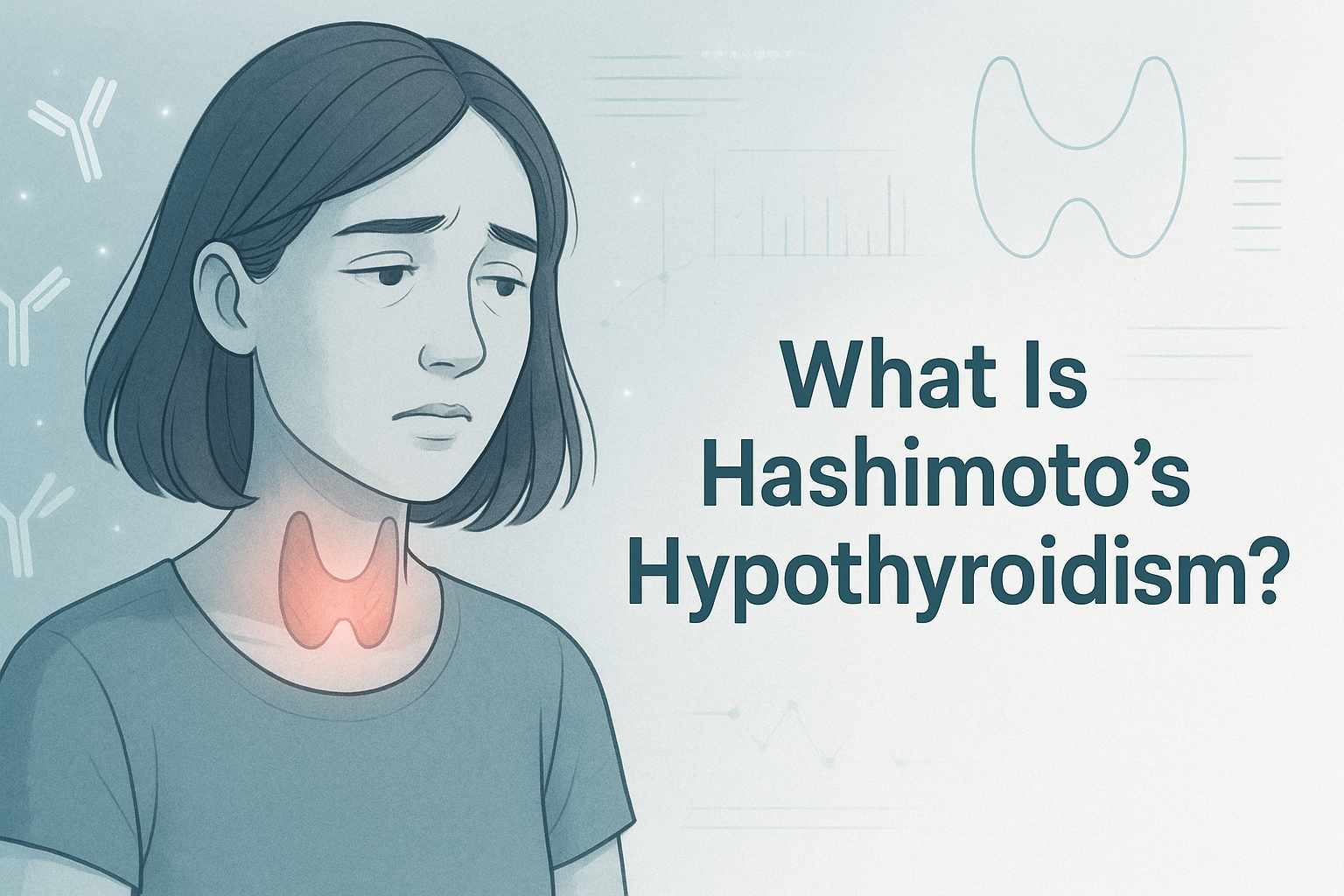
Hashimoto's thyroiditis is an autoimmune condition in which your own immune system mistakenly attacks the thyroid gland. Over time, this immune assault damages thyroid tissue and gradually reduces the gland's ability to produce thyroid hormone — leading to hypothyroidism.
The disease was first described by Japanese physician Hakaru Hashimoto in 1912, but it remains widely underdiagnosed over a century later. It affects approximately 14 million Americans and is 7–10 times more common in women than in men.
What Causes Hashimoto's?
Hashimoto's is not caused by a single factor. It develops through a combination of:
- Genetic predisposition — Family history of thyroid or autoimmune disease significantly increases risk
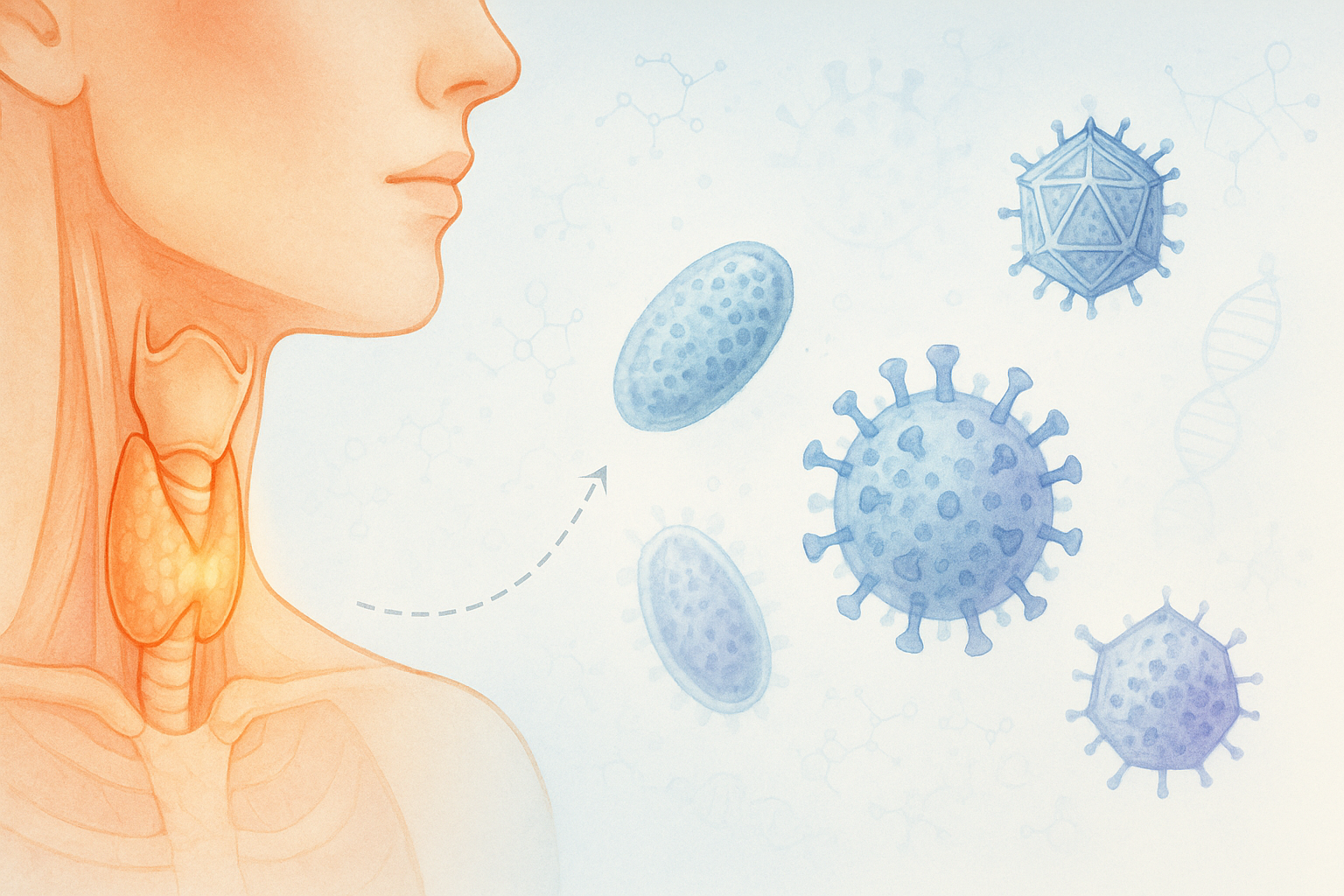
- Viral triggers — Epstein-Barr virus (EBV), HHV-6, and other viral infections have been linked to triggering autoimmune thyroid activity
- Intestinal permeability (leaky gut) — A damaged gut lining allows molecules to enter the bloodstream that can confuse the immune system and promote autoimmune responses
- Dietary factors — Gluten sensitivity and dairy intolerance are among the most common contributors in susceptible individuals
- Hormonal shifts — The condition often emerges or worsens during pregnancy, postpartum, perimenopause, and other periods of hormonal change
- Nutrient deficiencies — Low levels of selenium, zinc, vitamin D, and iodine all affect immune regulation and thyroid function
What Are the Symptoms of Hashimoto's?
Hashimoto's symptoms mirror those of hypothyroidism generally, but may fluctuate more — since early in the disease, the damaged thyroid can dump hormone into the bloodstream, causing brief periods of hyperthyroid-like symptoms before the more chronic hypothyroid pattern sets in.
Common symptoms include:
- Persistent fatigue, even with adequate sleep
- Unexplained weight gain or difficulty losing weight
- Hair thinning or loss
- Brain fog, poor concentration, memory problems
- Depression or mood changes
- Cold sensitivity
- Constipation
- Dry skin
- Puffy face, especially around the eyes
- Slow heart rate
- Muscle weakness or aching
Why Is Hashimoto's So Often Missed?
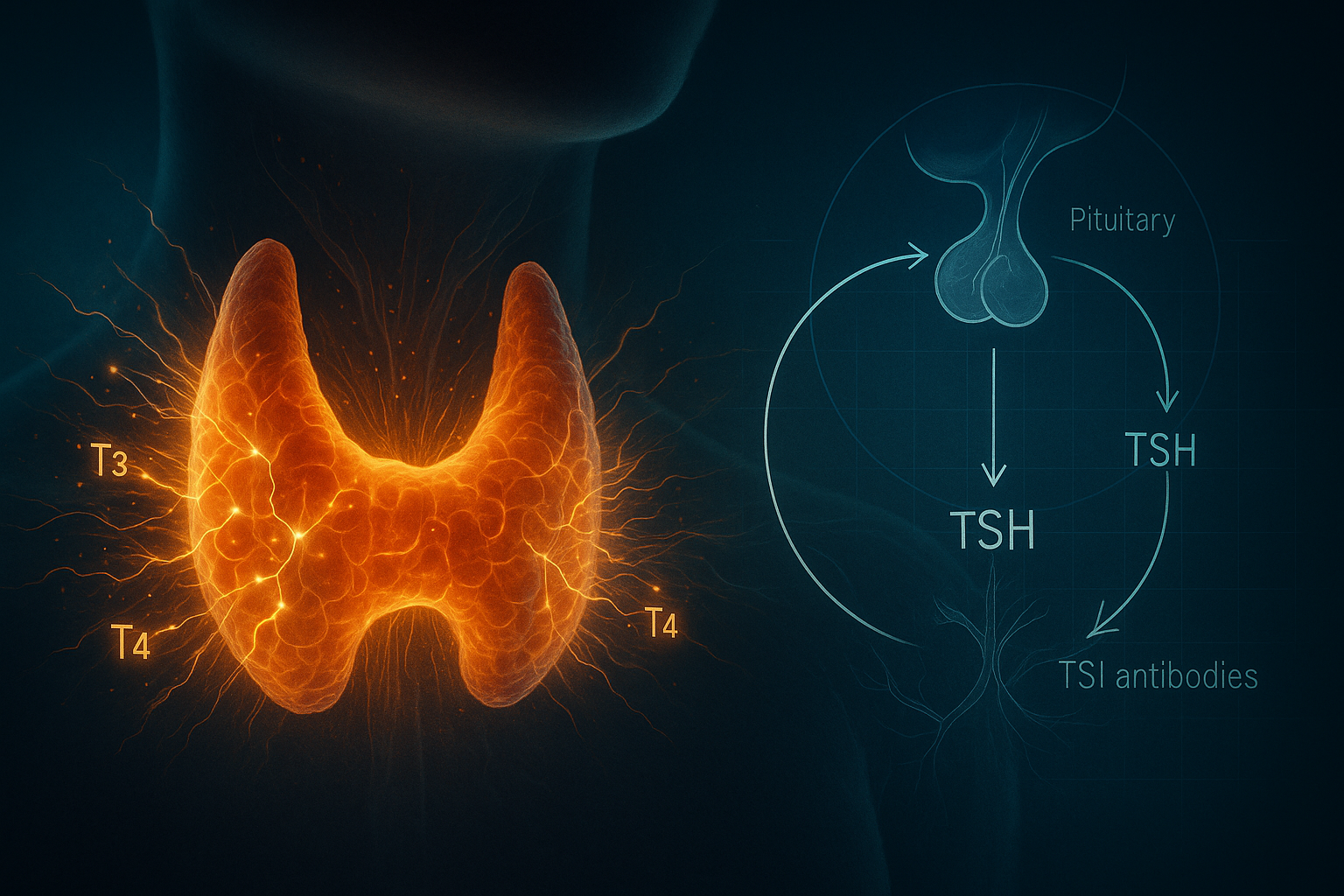
The answer comes down to what your doctor tests. Standard thyroid panels typically only include TSH — thyroid-stimulating hormone, which is produced by the pituitary gland, not the thyroid itself. TSH can remain in the normal range for years while Hashimoto's antibodies are actively attacking the thyroid.
A proper Hashimoto's workup requires testing for:
- Thyroid Peroxidase Antibodies (TPO-Ab) — elevated in the majority of Hashimoto's patients
- Thyroglobulin Antibodies (TgAb) — elevated in a significant subset
- Free T3 and Free T4 — to assess actual hormone levels
- Reverse T3 — to detect impaired conversion
Without these markers, a diagnosis simply cannot be made — and many patients spend years on antidepressants or being told they're "just stressed" while an autoimmune process continues unchecked.
How Is Hashimoto's Treated?
Hashimoto's requires addressing both the hormone deficiency and the underlying immune dysfunction. Treatment typically involves:
- Thyroid hormone replacement (levothyroxine, desiccated thyroid, or combination T4/T3 therapy) when hormone levels are low
- Identifying and removing dietary triggers (most commonly gluten and dairy)
- Addressing gut health and intestinal permeability
- Testing for and treating viral triggers where relevant
- Supporting nutrient deficiencies (selenium, vitamin D, zinc, and others)
- Adrenal support when cortisol dysregulation is contributing
The goal isn't just to normalize TSH. It's to reduce antibody levels, calm the autoimmune response, and restore how you feel.
Getting Properly Tested
If you recognize yourself in these symptoms and you haven't had a complete antibody panel, you haven't had a complete thyroid workup. At Whole Family Medicine, our comprehensive testing protocol covers all the markers needed to accurately diagnose and understand Hashimoto's — including virals, gut health, food sensitivities, and nutrients.