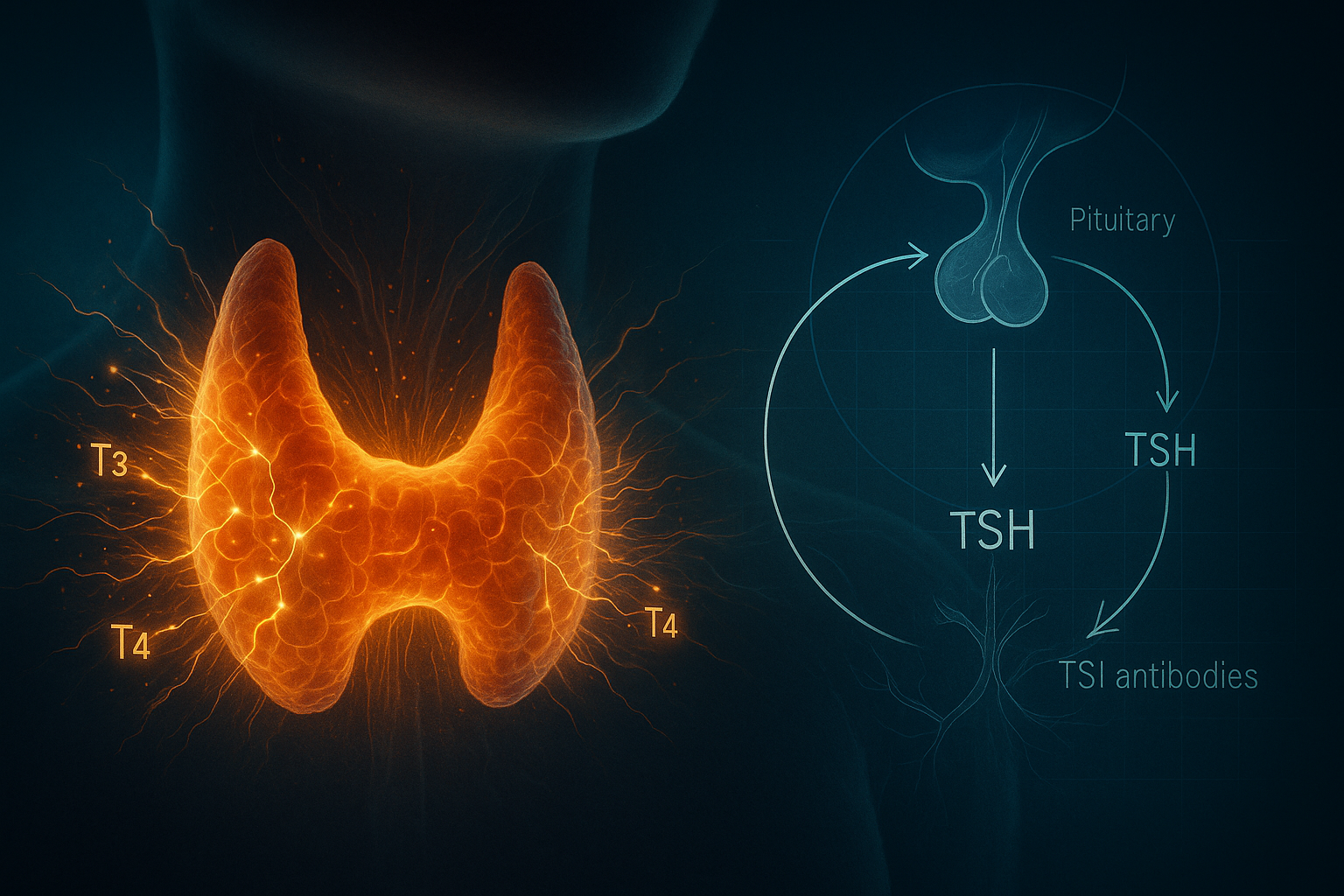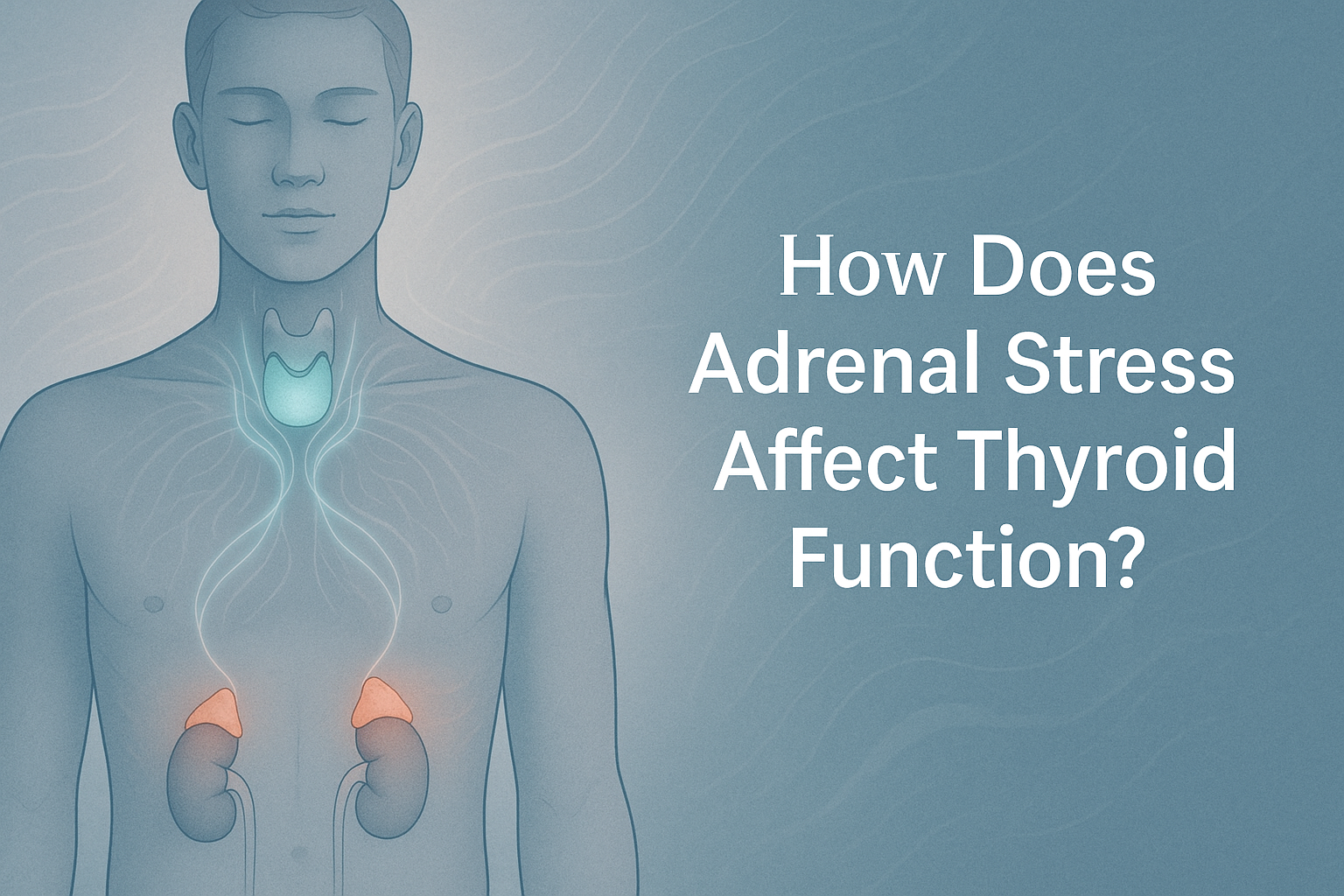
If you've been diagnosed with hypothyroidism — or you suspect you have it — and you're not getting better despite treatment, there's a good chance your adrenal glands are part of the problem. The thyroid and adrenal system are deeply intertwined, and chronic stress can undermine thyroid function even when the thyroid gland itself is working perfectly.
Here's how the connection works, why it's so commonly overlooked, and what comprehensive testing can reveal.
What Are the Adrenal Glands?
The adrenal glands are small walnut-sized glands that sit on top of your kidneys. They produce several critical hormones — most notably cortisol, your primary stress hormone, as well as DHEA, adrenaline, and others.
Cortisol is not just a "stress" hormone in the emotional sense. It regulates inflammation, immune function, blood sugar, sleep cycles, and — critically — the way your cells respond to thyroid hormone.
How Cortisol Affects Thyroid Hormone
The relationship between cortisol and thyroid function runs in multiple directions:
1. T4-to-T3 Conversion
Your thyroid produces mostly T4 — the storage form of thyroid hormone. T4 must be converted into Free T3, the active form, before your cells can use it. This conversion process depends on adequate cortisol levels. When cortisol is chronically elevated or depleted, conversion is impaired — meaning you can have normal T4 and still have functionally low thyroid hormone at the cellular level.
2. Reverse T3 Overproduction
High cortisol from chronic stress drives your body to convert more T4 into Reverse T3 (the inactive decoy form) rather than Free T3. Reverse T3 fills thyroid receptor sites without activating them — essentially blocking active thyroid hormone even when levels appear adequate on a blood test.
3. Cellular Receptor Sensitivity
Even when Free T3 is adequate, chronically elevated cortisol can downregulate thyroid hormone receptors — meaning your cells become less responsive to the hormone, producing hypothyroid-like symptoms.
4. Immune Dysregulation
Cortisol is a natural anti-inflammatory. When it becomes dysregulated, immune activity becomes erratic — which can worsen or trigger autoimmune thyroid conditions like Hashimoto's.
What Is Adrenal Fatigue (and Is It Real)?
The term "adrenal fatigue" has become controversial in conventional medicine. The more accurate clinical description is HPA axis dysregulation — a disruption of the communication system between the hypothalamus, pituitary, and adrenal glands that governs cortisol production.
Symptoms include:
- Crushing fatigue, especially in the morning
- Energy crash in the mid-afternoon
- Salt cravings
- Difficulty handling stress
- Waking between 2–4 AM
- Recurrent infections
- Feeling "wired but tired"
- Worsening thyroid symptoms despite adequate medication
These symptoms are real. The debate is semantic. What matters is that the HPA axis can be tested and treated.
How We Test Adrenal Function
Standard blood cortisol tests are taken at a single point in time and tell you very little. Cortisol is a diurnal hormone — it should be highest in the morning and taper through the day. A single reading tells you nothing about the rhythm.
We use gender-specific comprehensive testing:
- Men: Adrenocortex Stress Panel — 4-point salivary cortisol throughout the day, plus DHEA, to map the full cortisol rhythm
- Women: HU-Map Panel — a more comprehensive hormone map that includes the cortisol rhythm alongside estrogen, progesterone, and DHEA, because hormonal interplay is more complex in women. This also distinguishes estrogen dominance from estrogen decline — two patterns that affect the thyroid differently.
Treating the Full Picture
If adrenal dysfunction is contributing to your thyroid symptoms, thyroid medication alone will not fix the problem. Treatment typically includes:
- Adaptogenic herbs to support HPA axis recovery (ashwagandha, rhodiola, eleuthero)
- Targeted supplementation (Vitamin C, B5, magnesium)
- Cortisol management strategies (sleep, blood sugar regulation, stress reduction)
- Dietary adjustments to reduce inflammatory burden
- Addressing underlying infections or autoimmune activity
The thyroid and adrenal system must be treated together for most patients to fully recover.