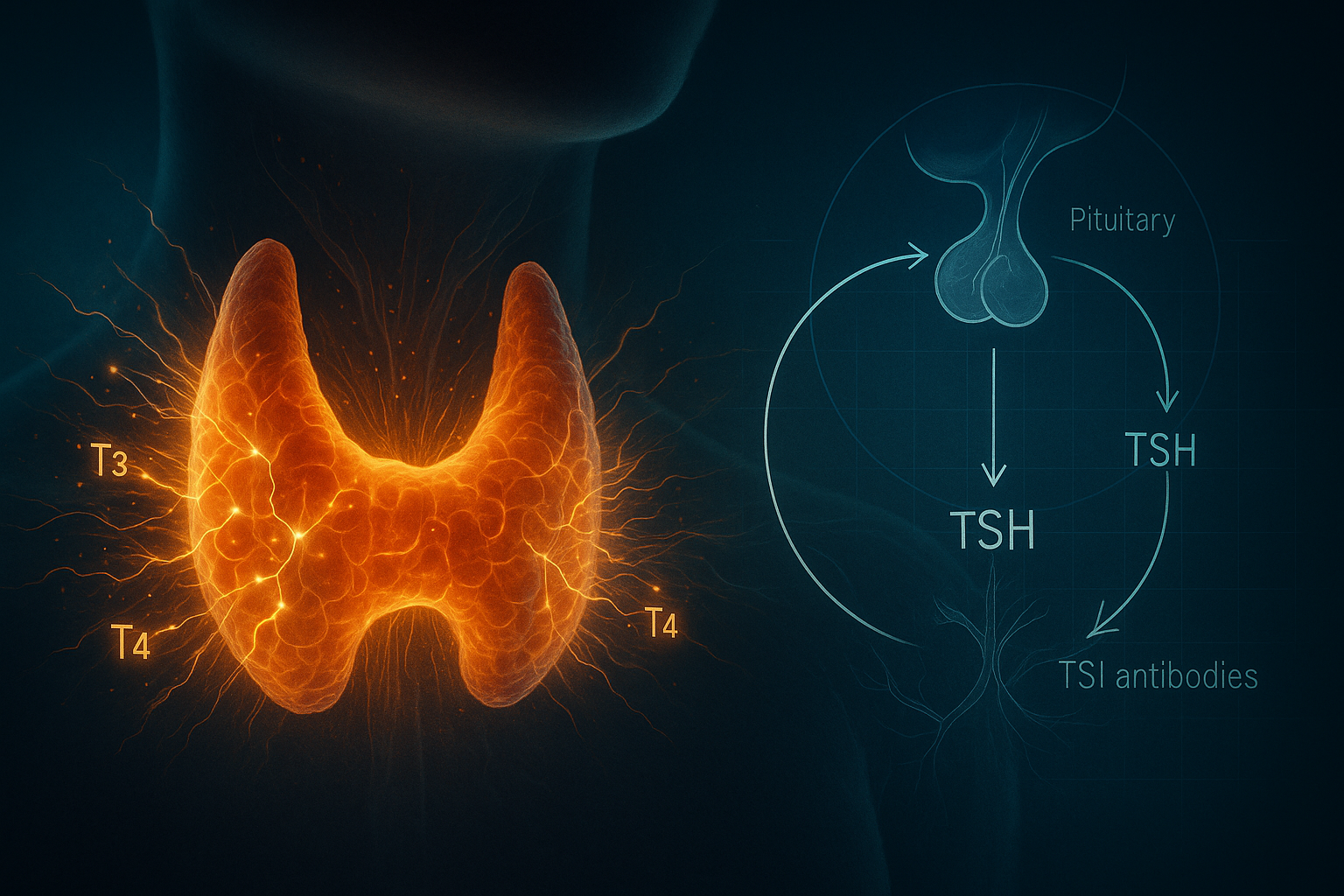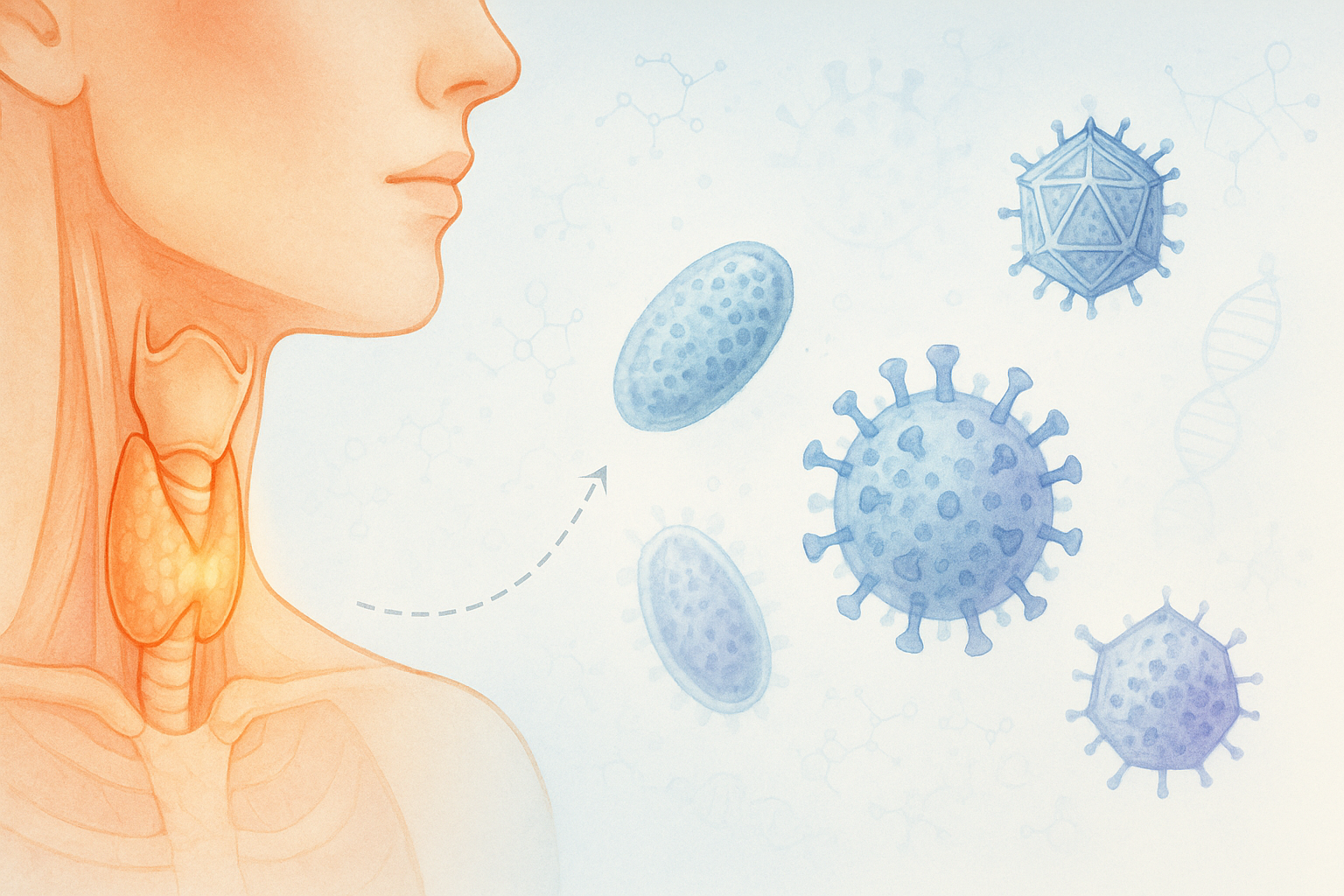
When thinking about Hashimoto’s hypothyroidism, you can’t ignore your diet and more importantly, what can develop from a poor diet = Leaky Gut.
What is Leaky Gut Syndrome and How do Food Sensitivities Cause It?
Leaky gut syndrome occurs when your gut lining becomes permeable (“leaky”), allowing substances like undigested food particles and toxins to enter your bloodstream. Of particular concern for Hashimoto's is gluten, a protein found in wheat and other grains like rye, barley, triticale, spelt, kamut, farro, durum, einkorn, and emmer.
But leaky gut is limited not to just the gluten protein. Casein (whey protein) is another big player in leaky gut and often times, Hashimoto’s patients are struggling with this cow dairy protein and they don’t even know it. Soy (agglutinin) can also cause leaky gut in Hashimoto’s patients.
Let me provide a detailed explanation of how these specific proteins (gluten, casein, agglutinin) can be problematic for those with Hashimoto's thyroiditis, focusing on the concept of molecular mimicry. We’ll stick with gluten for time being but just be aware that dairy and soy act in the same way when it comes to leaky gut.
Gluten is a protein found in wheat and other grains and contains two main components: glutenin and gliadin. It's the gliadin component that can cause issues for people with leaky gut. The gliadin literally inserts itself as part of your gut wall, making the wall less solid and thus more “leaky” (see the right-hand side of the picture below).
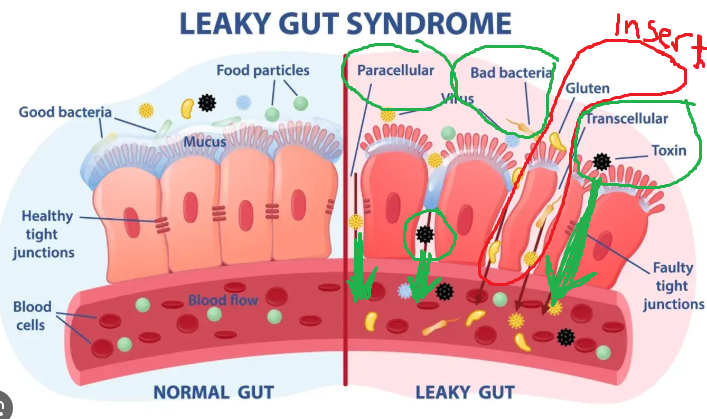
On the left hand side of the diagram, you will see a healthy, normal gut. Tight junctions between the cells of the gut wall keep the bad stuff traveling through the gut and out as stool and only allows nutrients that we need to cross that barrier.
When your gut is leaky (the right hand side of the picture), a specific part of the gliadin molecule called alpha-gliadin can enter your bloodstream. Your immune system recognizes this as a foreign invader and produces antibodies to attack it.
But here's where the problem escalates: the gliadin molecule is structurally similar to an enzyme in your thyroid called TPO (thyroid peroxidase).
This similarity leads to a case of mistaken identity in your immune system. The antibodies created to attack gliadin can also attack your thyroid's TPO enzyme due to this structural resemblance. This is called molecular mimicry. Every time you consume gluten, you're potentially triggering an immune response that not only targets the gluten but also your thyroid tissue.
Imagine this: over the years you’ve been eating sandwiches, pizza, toast, pancakes, cake, cookies and every single time you’ve done that, you’ve caused an assault on your thyroid. Initially, your thyroid can manage the damage from this assault, and your tests might appear normal. However, over time, the cumulative damage can lead to thyroid dysfunction and hypothyroidism.
If you have Hashimoto's, you likely have leaky gut.
To read more about this, go to this link that shows what the NIH found in a 2024 study looking at the link between gluten, dairy and Hashimoto’s: https://pmc.ncbi.nlm.nih.gov/articles/PMC11216022/
This explanation underscores why simply taking thyroid medication isn't a solution for Hashimoto's. If you continue to consume gluten, dairy or soy, you're perpetuating this cycle of autoimmune attack on your thyroid and you need to be tested to see if this is an issue for you.
How Do Antibiotics, Poor Diet, and Toxins Cause Leaky Gut?
Your microbiome is a thriving gut ecosystem which contains a rich variety of microorganisms that collaborate to keep your digestive tract (and you) healthy. Keeping your probiotics healthy and thriving across several different species enhances your intestinal defense mechanisms and promotes an environment conducive to overall wellness.
Now let me guess: at some point in your life you’ve been on antibiotics for an infection. Every time you’ve taken an antibiotic, realize that you’ve killed off bad bacteria (the desired goal) AND you’ve killed off some of your good bacteria (ill side-effect). For some of you, you’ve been on dozens of antibiotic treatments over the years. Now imagine what that’s done to your microbiome.
A decline in your probiotics can result in increased intestinal permeability, or leaky gut, allowing toxins, undigested food particles and harmful microbes to penetrate your bloodstream, potentially instigating systemic inflammation and an attack on your thyroid, just as it did with gluten, dairy and soy.
On top of that, your probiotics are crucial for converting the thyroid hormone T4 to its active form, T3. Certain bacteria produce enzymes necessary for this conversion, while others can inhibit it. For healthy thyroid function, you need to make sure T4 can be efficiently converted into T3 by eating a clean, unprocessed or minimally processed food diet and make sure you include enough protein and healthy, easily digested carbs for your probiotics to thrive.
Finally, your probiotics play a crucial role in converting indigestible plant fibers into beneficial fats. They flourish in an oxygen-free environment, which requires sufficient cellular energy to maintain. However, factors such as seed oil consumption (which are all the bad omega-6 fats that are used to make fast food and heavily processed food taste better) and exposure to toxins like endocrine-disrupting chemicals (EDCs) in plastics, can impair this energy production, making it challenging to sustain the ideal no-oxygen gut environment. Bad bacteria then begin to overgrow in the gut.
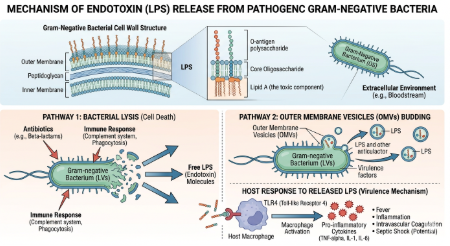
These pathogenic “bad” bacteria secrete a very virulent form of endotoxin, also known as lipopolysaccharides (LPS), which can cause inflammation if they translocate across the compromised gut barrier into systemic circulation. Leaky gut, or a disturbed microbiome, is therefore one of the foundational causes of all disease, including Hashimoto’s hypothyroidism.
To reclaim your thyroid gland and your overall health, understanding these mechanisms and getting tested to see which of them are involved with your Hashimoto’s hypothyroidism, are critical.
- This requires comprehensive testing that your insurance company doesn’t want to pay for
- This requires an understanding of the testing and how to address these imbalances from a natural, diet & lifestyle perspective
- And finally, and this is important, this requires working with a Doctor who is not interested in masking the problem with a drug (levothyroxine, synthroid, armour thyroid, NP thyroid) because that’s what the insurance company says or what they’ll pay for.
Since you’re reading this, my guess is that you or someone you love, is on a thyroid medication and has been for quite some time. Why? Because your Doctor (your primary or your endocrinologist) tells you that you need to get on this medication and mentions nothing (and I mean ZERO) about what’s actually causing the problem….
- No talk of diet
- No talk of probiotics
- No talk of leaky gut
- No talk of food sensitivities
Then for years, you might be on this medication that is “masking” the problem but not addressing the real cause.
And that’s where I come in.
I offer a free, 15-30 minute phone call consultation (a Discovery Call) to determine if you're a good fit for my office and to have any of your questions answered. From there we can discuss what tests you need (that your Doctor has ignored) and get some answers. Click here to take advantage of this offer - schedule that free call and start your journey to finally fixing your issue.
Don't suffer with thyroid problems / Hashimoto’s any longer. Let's find out what’s causing your hypothyroidism, and stop masking the problem - let's finally solve it!