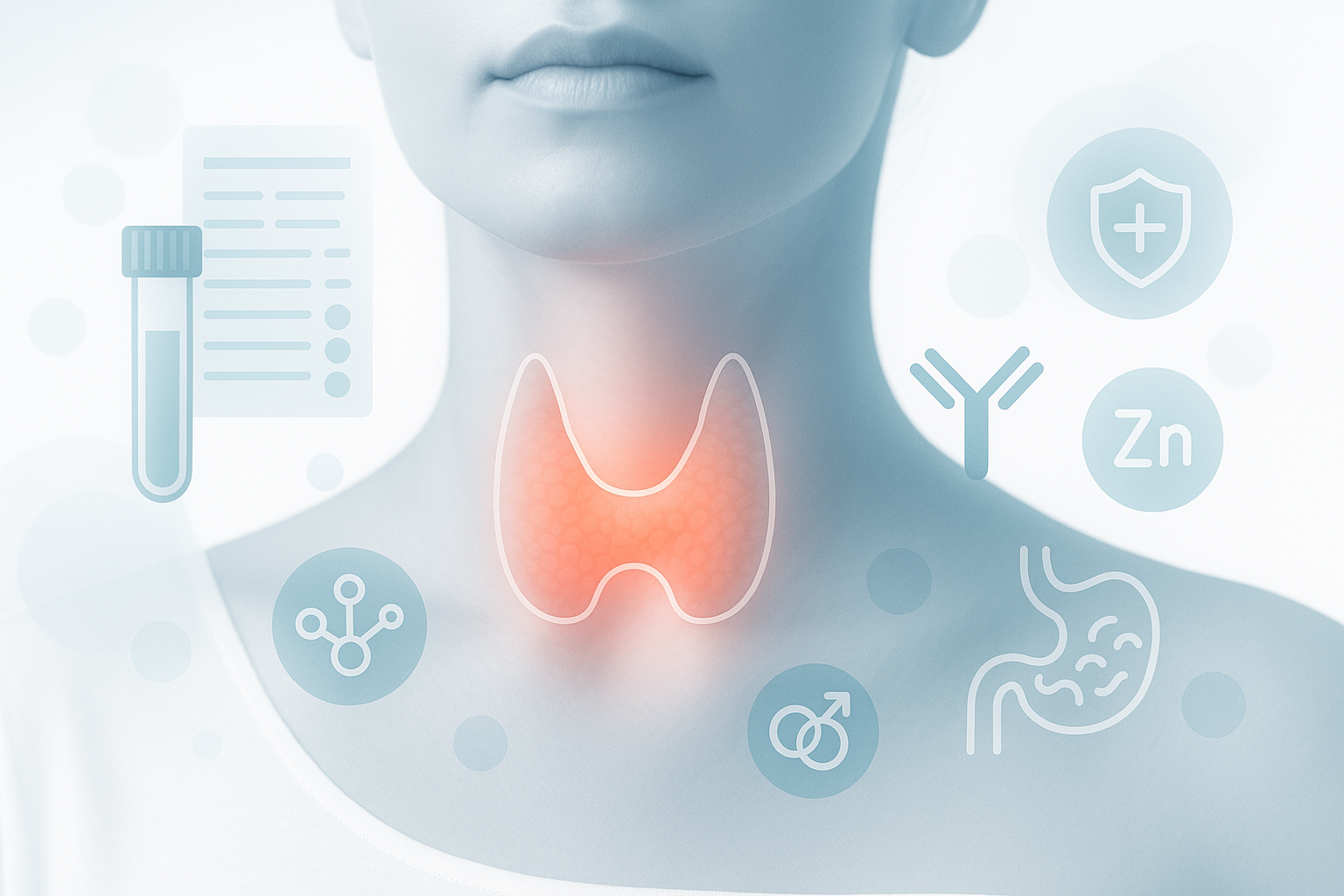
Getting a thyroid diagnosis shouldn't end with a prescription. For most patients with hypothyroidism, Hashimoto's, or chronic thyroid symptoms, there are underlying causes driving the problem — and those causes can be found. But only if you test for them.
This is a complete breakdown of what a root-cause thyroid evaluation actually looks like and why each category matters.
Category 1: Full Thyroid Hormone Panel
This is where everything starts — and where standard care usually stops too soon.
A complete panel includes:
- TSH — pituitary signaling marker; useful but not sufficient alone
- Free T4 — primary thyroid hormone output
- Free T3 — active form used by cells; the most clinically relevant marker
- Reverse T3 — inactive decoy; high levels indicate conversion failure
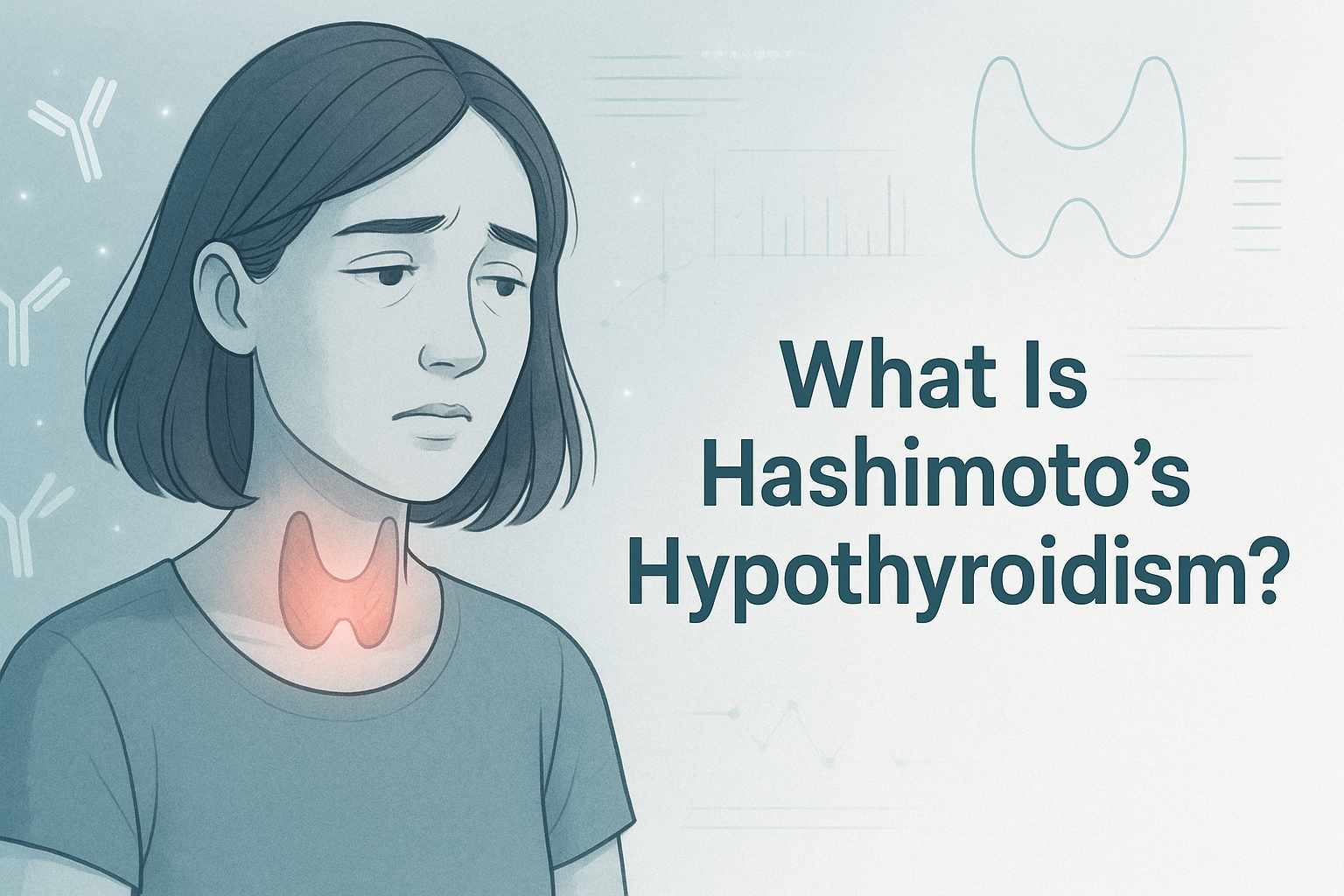
- TPO Antibodies — primary Hashimoto's marker
- Thyroglobulin Antibodies — secondary Hashimoto's marker
Together these markers tell you whether the thyroid is producing hormone, whether it's converting properly, whether it's being blocked, and whether the immune system is attacking it.
Category 2: Viral & Immune Panel
Viral infections are among the most underappreciated triggers of autoimmune thyroid disease. Viruses can disrupt immune regulation in ways that initiate or worsen autoimmune attacks on the thyroid — and this process can persist long after the acute infection resolves.
We test for:
- Epstein-Barr Virus (EBV) — chronic EBV reactivation is documented in Hashimoto's patients
- HHV-6 — linked to autoimmune thyroid activity
- Hepatitis C — associated with higher rates of thyroid disease
- HSV 1 & 2 — immune burden contributor
- SARS-CoV-2 markers — post-COVID thyroiditis and subacute thyroiditis are increasingly recognized
- Celiac antibodies — both disease and sensitivity affect thyroid health
Category 3: Nutrient Status
Thyroid hormone cannot be synthesized, converted, or used without adequate micronutrient levels. We test:
- Vitamin D — immune regulation; low levels strongly associated with Hashimoto's
- Iron & Ferritin — low ferritin (even within "normal" range) impairs T4-to-T3 conversion
- Magnesium — broadly involved in enzymatic thyroid pathways; deficiency is extremely common
- Zinc — required for thyroid receptor binding
- Iodine — direct building block of thyroid hormone; both deficiency and excess are problematic
Category 4: Adrenal & Hormone Testing
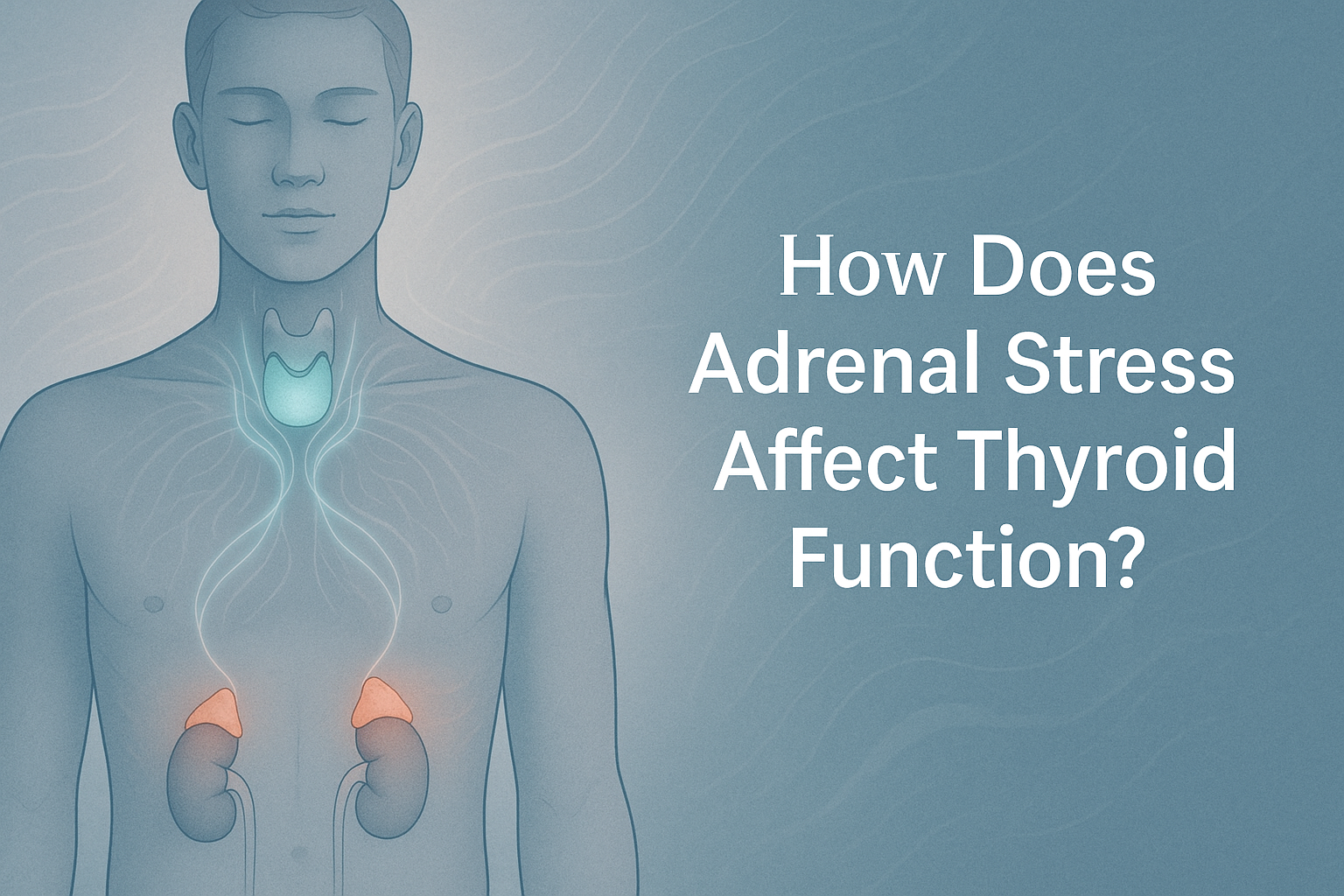
Adrenal dysfunction and thyroid dysfunction are so commonly co-occurring that treating one without evaluating the other routinely produces incomplete results. We use gender-specific testing to capture the full picture:
- Men — Adrenocortex Panel: 4-point salivary cortisol to map the full daily rhythm, plus DHEA
- Women — HU-Map Panel: Complete hormone mapping including cortisol rhythm, estrogen (total and fractions), progesterone, DHEA — and critically, the distinction between estrogen dominance (excess estrogen relative to progesterone) and estrogen decline (perimenopause/menopause), since these affect the thyroid differently
Estrogen dominance, for example, raises TBG (thyroid binding globulin), which reduces the amount of free — usable — thyroid hormone in circulation. This is a common and commonly missed driver of thyroid symptoms in women.
Getting a thyroid diagnosis shouldn't end with a prescription. For most patients with hypothyroidism, Hashimoto's, or chronic thyroid symptoms, there are underlying causes driving the problem — and those causes can be found. But only if you test for them.
This is a complete breakdown of what a root-cause thyroid evaluation actually looks like and why each category matters.
Category 1: Full Thyroid Hormone Panel
This is where everything starts — and where standard care usually stops too soon.
A complete panel includes:
- TSH — pituitary signaling marker; useful but not sufficient alone
- Free T4 — primary thyroid hormone output
- Free T3 — active form used by cells; the most clinically relevant marker
- Reverse T3 — inactive decoy; high levels indicate conversion failure
- TPO Antibodies — primary Hashimoto's marker
- Thyroglobulin Antibodies — secondary Hashimoto's marker
Together these markers tell you whether the thyroid is producing hormone, whether it's converting properly, whether it's being blocked, and whether the immune system is attacking it.
Category 2: Viral & Immune Panel
Viral infections are among the most underappreciated triggers of autoimmune thyroid disease. Viruses can disrupt immune regulation in ways that initiate or worsen autoimmune attacks on the thyroid — and this process can persist long after the acute infection resolves.
We test for:
- Epstein-Barr Virus (EBV) — chronic EBV reactivation is documented in Hashimoto's patients
- HHV-6 — linked to autoimmune thyroid activity
- Hepatitis C — associated with higher rates of thyroid disease
- HSV 1 & 2 — immune burden contributor
- SARS-CoV-2 markers — post-COVID thyroiditis and subacute thyroiditis are increasingly recognized
- Celiac antibodies — both disease and sensitivity affect thyroid health
Category 3: Nutrient Status
Thyroid hormone cannot be synthesized, converted, or used without adequate micronutrient levels. We test:
- Vitamin D — immune regulation; low levels strongly associated with Hashimoto's
- Iron & Ferritin — low ferritin (even within "normal" range) impairs T4-to-T3 conversion
- Magnesium — broadly involved in enzymatic thyroid pathways; deficiency is extremely common
- Zinc — required for thyroid receptor binding
- Iodine — direct building block of thyroid hormone; both deficiency and excess are problematic
Category 4: Adrenal & Hormone Testing
Adrenal dysfunction and thyroid dysfunction are so commonly co-occurring that treating one without evaluating the other routinely produces incomplete results. We use gender-specific testing to capture the full picture:
- Men — Adrenocortex Panel: 4-point salivary cortisol to map the full daily rhythm, plus DHEA
- Women — HU-Map Panel: Complete hormone mapping including cortisol rhythm, estrogen (total and fractions), progesterone, DHEA — and critically, the distinction between estrogen dominance (excess estrogen relative to progesterone) and estrogen decline (perimenopause/menopause), since these affect the thyroid differently
Estrogen dominance, for example, raises TBG (thyroid binding globulin), which reduces the amount of free — usable — thyroid hormone in circulation. This is a common and commonly missed driver of thyroid symptoms in women.
Category 5: Food Sensitivity Testing
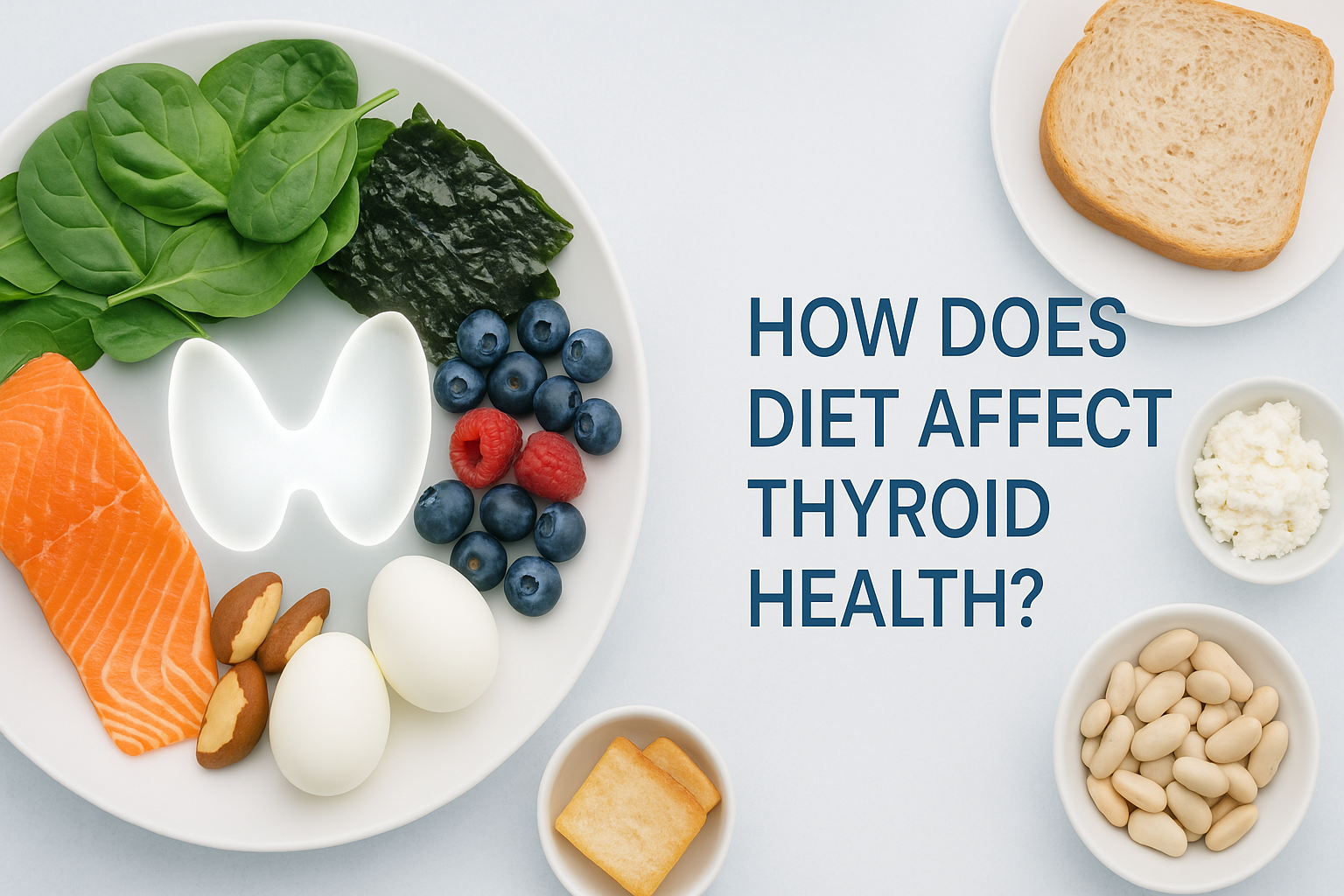
Dietary inflammation is a major and modifiable driver of autoimmune thyroid disease. Standard allergy testing (IgE) misses the delayed immune response (IgG) that drives most food sensitivities.
We use the Alletess 184-Food IgG Panel, which tests immune reactivity to 184 foods. The panel is particularly focused on identifying:
- Gluten reactivity (wheat, barley, rye)
- Dairy reactivity (casein, whey)
- Soy
- Coffee
- Eggs and other common triggers
Results are used to build a personalized elimination and reintroduction protocol.
Category 6: Gut & Stool Analysis
The gut is not separate from the thyroid — it's central to thyroid health in multiple ways. The gut lining is where a significant portion of T4-to-T3 hormone conversion occurs. Gut bacteria produce enzymes needed to activate thyroid hormone. And a disrupted gut lining (leaky gut) drives the chronic immune activation that fuels Hashimoto's.
Our stool analysis includes:
- Intestinal permeability markers — to identify and quantify leaky gut
- Comprehensive microbiome mapping — to assess bacterial diversity, beneficial species, and pathogens
- Pathogen screening — bacteria, parasites, fungi, viruses that create immune burden
- Inflammation markers — to gauge overall gut inflammatory load
Putting It All Together
No single test tells the whole story. What makes our evaluation different is that we look at all six categories together and interpret them as a system — because that's how the body works.
A patient might have:
- Normal TSH but high Reverse T3
- Positive EBV reactivation alongside high TPO antibodies
- Low ferritin and vitamin D
- Moderate estrogen dominance compressing free thyroid hormone
- Strong gluten and dairy reactivity driving intestinal inflammation
- An overgrowth in the microbiome feeding the inflammatory cycle
Every one of those findings requires a different intervention. And you can't know what you're dealing with until you test for it.